
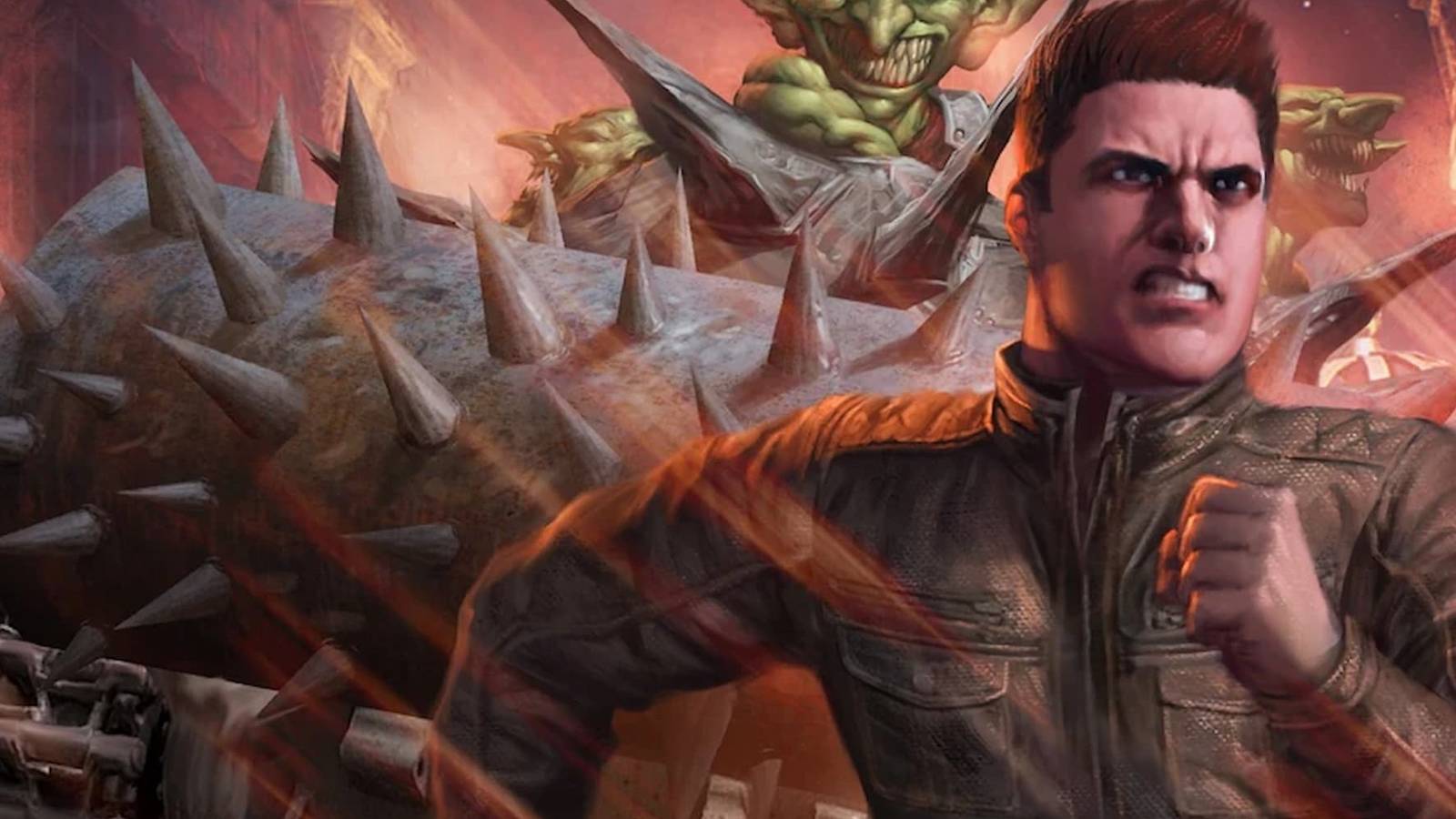
The Dungeon Crawler Carl series has outgrown its own pitch, and that is exactly why its Peacock adaptation faces a problem most shows would envy. According to our own reporting, the novels have completely overtaken geek culture despite being nearly impossible to summarize in an elevator, and the reason is that the story abandons that elevator the moment the doors close. The dungeon is a trap, the game show is a lie, and the real war is happening above Floor One, in the cold void between stars. Anyone who picks up the books expecting a season of monster-of-the-week fights will be disoriented by page fifty, when Carl and Donut start scheming to break the game instead of win it. For readers who have already devoured the eight volumes, this is the series' strength. For the TV audience, it is a puzzle the showrunners must solve before the first commercial break.
The related coverage in our files makes the stakes clear. We have Dungeon Crawler Carl Book 9 Title Confirmed, Clues Were There All Along and the Dungeon Crawler Carl Marks November 23 on the Collapse Timer piece, both pointing to a saga that is still unspooling its central mystery. That mystery, the ancient alien technology, the factions that cultivated Earth for millennia, the System AI's true nature, is what elevates the series beyond a survival crawl. The books earn it slowly, through Carl's limited first-person view. The show does not have that luxury. Peacock must decide whether to stay locked in Carl's head or to cut away to Borant's boardrooms and Syndicate war councils early, risking the intimacy of the story for the clarity of its stakes. We think they should cut. The books have already proven that the dungeon is a sideshow; the television adaptation should say so from episode one.
The practical takeaway for readers is this: do not expect the show to be a faithful page-to-screen translation of the early floors. Expect it to plant seeds that the novels only reveal in book four or five. Expect scenes without Carl. Expect the audience to know the name Borant before Carl does. The novels grew into a political story about colonialism and violent uprising, and a direct adaptation that hides that evolution would undersell the series' ambition. The best outcome is a show that trusts its audience to follow two tracks at once, Carl scrabbling through the dungeon and the galaxy closing in above him. If Peacock pulls that off, the adaptation will be essential viewing, not just for new fans but for the ones who have already read every page. If they pull it back, they will have softened the sharpest edges of the best fantasy series running. The collapse timer is ticking on that decision, and we will be watching the broadcast with the same suspicion Carl reserves for the AI.